White Label Fuel Delivery App Solution: Modernizing the Ecosystem for Gas Stations
What pushed you to start a fuel delivery business? You can attribute it to rising demand at remote and industrial sites, urban convenience, operational efficiency for fleets, and reduced pilferage and waste. Whatever it may be, technology fills those gaps, improves operational efficiency, and supports emergency assistance. Especially, a white-label fuel delivery app solution empowers gas stations, fuel distributors, large fleet operators, and entrepreneurs to launch a fully branded fuel delivery service with their brand identity.
Besides, the solution enables businesses to embrace branded, on-demand digital ordering and automated logistics. The business ecosystem is transitioning from relying on paper logs and manual phone calls to adopting fuel delivery app solutions that provide better fleet visibility. Let’s take a deeper look into the system to analyze how the solution can support and drive the transformation of your fuel delivery business.
What Is A Fuel Delivery App Solution
A fuel delivery app solution is a pre-built digital platform that helps businesses skip lengthy development cycles and quickly launch a fuel delivery service under their company name, logo, and colours. The third-party technology provider remains behind the scenes, while the platform incorporates the features you require and reflects your business identity to your customers. The ready-made platform enables you to eliminate heavy upfront software engineering and design expenses.
Developing an enterprise-grade solution helps scale your operations across regions. The digital solution has powerful features that increase convenience, optimize fuel deliveries, and deliver complete visibility into the business. The key area of caution is determining how effectively it can move your business forward by addressing the gaps and inefficiencies within your business ecosystem.
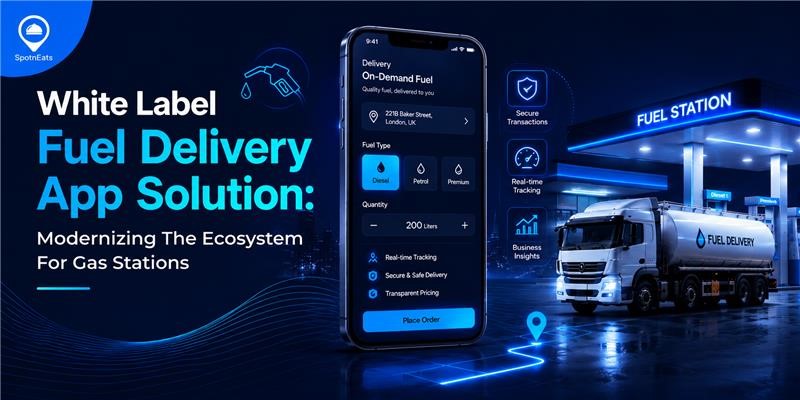
- Fuel Specifications: Customers can onboard easily, pin their location, choose fuel type, and add quantity for quick ordering.
- Live Location Tracking: GPS tracking updates customers on the location of the fuel delivery truck along with the estimated arrival time.
- Delivery Scheduling: Based on their need, customers can choose a delivery time window and schedule the delivery to receive it on the day.
- Multiple Payment Options: The integrated payment options, such as cards, wallets, etc provide flexibility for customers in making their payments.
- Fuel Inventory Management: It becomes easy to view real-time stock, manage logs, and adjust pricing to handle everything.
- Centralized Dispatching: Admin can oversee how the app automatically allocates delivery orders to nearby available drivers.
- Compliance Logs: Provides complete documentation and audit support for regulatory compliance features in the fuel delivery app.
- Subscription-Based Fills: Enables customers to schedule recurring fuel deliveries through flexible subscription plans, ensuring timely and hassle-free refills.
- Delivery Verification: Ensures secure and accurate fuel delivery confirmation through OTP, delivery status tracking, and customer verification features.
What Has Changed With the Arrival of White-Label Fuel Delivery App Solutions?
Gas stations and fuel distributors can leverage fuel delivery apps to expand their customer reach, increase sales, and compete effectively with app-based fuel delivery platforms amid declining walk-in traffic. The fuel business market has evolved from scheduled bulk drops into an on-demand digital market. With the arrival of a white-label fuel delivery app solution, entrepreneurs with different fuel delivery business models can launch an app similar to Ezfill, featuring pinpoint location drop-offs, real-time notifications, and fleet fueling management.
Expansion of Digital Fuel Delivery Services
The traditional model focused on accepting and fulfilling bulk fuel delivery services for commercial fleets, construction sites, and remote facilities. Fuel delivery apps have transformed this model by enabling anyone to request fuel directly at their location.
Adoption of New-Age Fuel Distribution Models
The fuel delivery market reaches up to USD 6 billion worldwide. Today, fuel delivery is increasingly tech-driven, helping businesses reach a broader customer base, including commercial fleets and customers seeking to minimize downtime.
Growing Emphasis on Sustainable Fuel Delivery
Environmental regulations across regions cause businesses to adopt sustainability practices. That’s why they shift toward intelligent, lower-emission operations. Using AI and GPS telematics, businesses can reduce miles by 15-20% and maximize efficiency per trip.
AI-Powered Fleet Management & Optimization
A data-driven logistics ecosystem shapes the modern fuel delivery business. Before customers run low on fuel, the IoT-integrated modern app analyzes historical data and local economic factors to predict exact fuel needs and instantly trigger deliveries.
Understanding the Working Model of Fuel Delivery Apps
The white-label fuel delivery process relieves companies of the pressure of managing orders to processing payments and making deliveries. The unified platform brings together logistics, payments, inventory, reporting, and monitoring for increased convenience and centralized management.
1. Users sign in to the fuel delivery platform and add details about their vehicles.
2. They pin the exact location of their parked vehicle, specify fuel type, the quantity they need, and pick an immediate or scheduled delivery time.
3. A nearby certified fuel tanker matches with the user and uses smart routes to make deliveries faster at the scheduled delivery time.
4. The certified delivery specialist reaches your location, updates the status, and dispenses the accurate volume of the fuel safely.
5. The app records the total gallons delivered, initiates payment completion, and automatically generates the electronic receipt on customers’ smartphones.
Inventory is kept in sync with actual fuel volumes to confirm availability for customers and prevent shortages that could impact customer satisfaction.
Modernizing Gas Stations With On-Demand Fuel Delivery Apps
Like every other on-demand business, the fuel delivery industry could not escape digital transformation. Innovative technologies have evolved the development process, enabling technology providers to integrate them strategically and take fuel delivery businesses to a new level of digital transformation without compromising profit margins. Mobile gasoline providers view the app as a smart tool to cut labour costs and enhance efficiency.
Artificial Intelligence and Machine Learning algorithms automate dispatching and billing to scale efficiency in operations. Businesses can optimize delivery schedules with this AI-powered system. IoT integration goes further to monitor real-time stock levels in fuel tanks to prevent shortages and keep deliveries running smoothly.
The on-demand white-label fuel delivery app solution transforms your workflows through dynamic routing, contactless payments, digital records, and data-driven analytics. Small businesses can reduce logistics downtime and make steady revenue with the solution.
Different Types of Fuel Delivery Apps for Businesses to Invest In
Not every fuel delivery business follows the same playbook. The market has split into a handful of distinct models, each built around a different customer base, delivery cadence, and revenue structure. Understanding these categories helps you decide which one fits your existing infrastructure and target audience before you invest in development.
On-Demand Consumer Apps
Built for everyday drivers who request fuel the moment they need it, similar to how Ezfill operates along the US East Coast. These apps prioritize speed, a simple pin-and-order flow, and pay-per-fill pricing with no long-term commitment.
Subscription-Based Refueling Apps
Designed around recurring revenue, these platforms let customers lock in a monthly plan for regular top-ups. Yoshi built its business around this model, and even lets customers schedule deliveries up to a week in advance while matching nearby gas station pricing.
Corporate & Fleet Fueling Apps
Focused on B2B contracts rather than individual drivers, these apps serve office parks, logistic hubs, and large vehicle fleets that need consistent, scheduled refueling without pulling vehicles off the road. Booster built much of its business around exactly this kind of large corporate campus arrangement.
Hybrid Service-Plus-Fuel Apps
Some platforms bundle fuel delivery with adjacent vehicle services like car washing, oil changes, and tire checks in a single visit, turning a single delivery stop into a broader revenue opportunity per customer.
Industrial & Bulk Delivery Apps
Tailored for construction sites, mining operations, generators, and agricultural equipment that require large-volume drops on a scheduled or emergency basis, rather than the small quantities typical of consumer apps.
IoT-Enabled Predictive Delivery Apps
A newer category that uses tank sensors and telematics to monitor fuel levels remotely. It can automatically trigger a delivery before a customer even realizes they’re running low, reducing missed deliveries and manual reordering.
Regional & Emerging-Market Models
Platforms like CAFU in the Middle East and FuelBuddy in India show how the same core concept adapts to local demand, often blending subscription and pay-per-use pricing with region-specific compliance requirements.
A Quick Guide to Developing a White-Label Fuel Delivery App With SpotnEats
Launching a branded fuel delivery service doesn’t have to mean building software from zero. SpotnEats offers a ready-to-deploy, fully customizable fuel delivery app solution that lets gas stations, distributors, and entrepreneurs go live in weeks rather than months. They need not compromise on the features that matter most to modern customers. Starting a fuel delivery business with a white-label app using this approach can lead to faster market adaptability.
1. Share Your Business Requirements
The process starts with understanding your operating region, fleet size, service area, and the specific fuel types you plan to deliver. So, the provider can configure the platform around your actual business rather than a generic template.
2. Customize Branding and Core Features
SpotnEats applies your business name, logo, and colour scheme across the customer app, driver app, and admin dashboard. The firm caters to your preferences while enabling the features relevant to your model, whether that’s subscription billing, bulk industrial orders, or on-demand consumer requests.
3. Configure Dispatch, Inventory, and Payments
The team sets up centralized dispatching logic, real-time inventory syncing, and your preferred payment gateways. With this setup, they can route the orders to the nearest available tanker and inventory stays accurate across every delivery.
4. Integrate Compliance and Safety Features
The provider integrates regulatory documentation, delivery verification through OTP, and audit-ready compliance logs into the platform from the start. Thus, they help you stay aligned with regional fuel handling and safety regulations.
5. Test Across Real Delivery Scenarios
Before going live, the quality assurance team tests the platform across live location tracking, scheduled and immediate deliveries, and payment completion flows to confirm everything performs reliably under real operating conditions.
6. Launch and Onboard Your Team
Once testing is complete, SpotnEats supports your go-live with driver onboarding, admin training, and customer-facing rollout. So, your team can start managing deliveries through the platform from day one.
7. Scale With Ongoing Support
As your delivery volume grows, SpotnEats provides continued support for adding new service areas, fuel types, or features like AI-powered demand prediction. So the platform grows alongside your business, rather than requiring a rebuild.
Wrapping Up
The fuel delivery industry has moved well past paper logs and scheduled bulk drops, and gas stations that stay on the sidelines risk losing customers to app-based competitors already active in their region. A white-label fuel delivery app solution gives you a faster, lower-risk path into this space. Thus, the solution lets you launch a fully branded platform without carrying the cost and time of building software in-house.
You might be serving individual drivers, corporate fleets, or industrial sites. Whatever it is, the right platform and delivery model can turn a traditional fuel business into a modern, data-driven operation. Partnering with an experienced fuel delivery app development company like SpotnEats means you get a solution built specifically for the fuel delivery ecosystem, ready to launch and scale as your business grows.
FAQ
Yes. Most providers configure their white-label platforms to support on-demand consumer deliveries, subscription plans, and bulk corporate or fleet fueling within the same system.
Reputable providers build in compliance logs, audit documentation, and delivery verification features. However, businesses should go an extra step to ensure that the provider has configured the system to meet the specific regulations in their operating region..
Yes. A good white-label provider allows you to scale the platform over time, adding features such as IoT-based tank monitoring or AI-driven delivery predictions as your business grows.
Comments are closed.